Click here to join perioangroup
Click to join perioangroup
Powered by health.groups.yahoo.com
Subscribe to perioangroup
Powered by health.groups.yahoo.com
Add to Google

2008-01-22

A reflection from the Live surgey

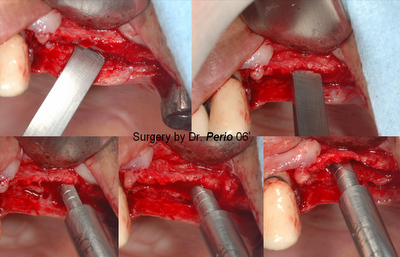
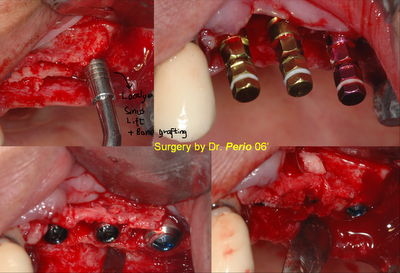
@ A combined dental implantation & ridge spitting + bone grafting from Srcaper (May23, 06') [Bone Scraping with Bone Collec]
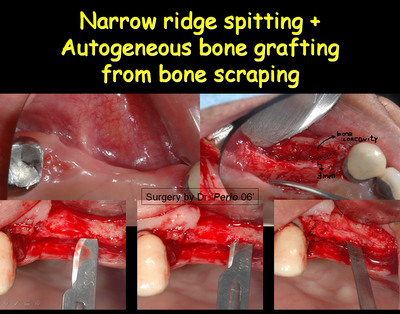
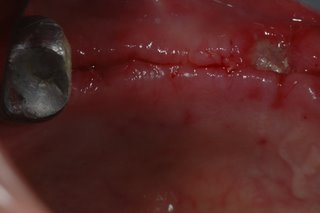
* post suture (10 days after surgery) * 2nd surgery on 25,26 sites and additional bone grafting on 24 site(post-implantation 6 months):


@ Cortical bone collector in this case is reusable 50 times; after that, changes the blade to bone scraped. Some detail see another blog of mine:
http://implantproducts.blogspot.com/2006/05/cortical-bone-collector.html

* Final restoration:(Jan17,2007)

** Post restoration 1 year:


** Taking a Certificate from Prof. Isaksson (big guy):
I learded the specific ridge splitting and bone grafting from Halstam university program. This csae presentation is my deep-heart thanks to them and some kinds of refection after the course.

2007-01-16

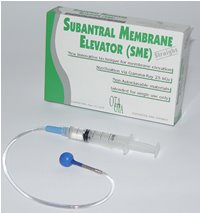
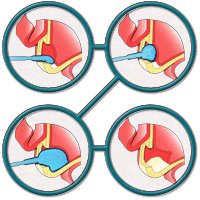
Subantral Membrane Elevation with Balloon technique

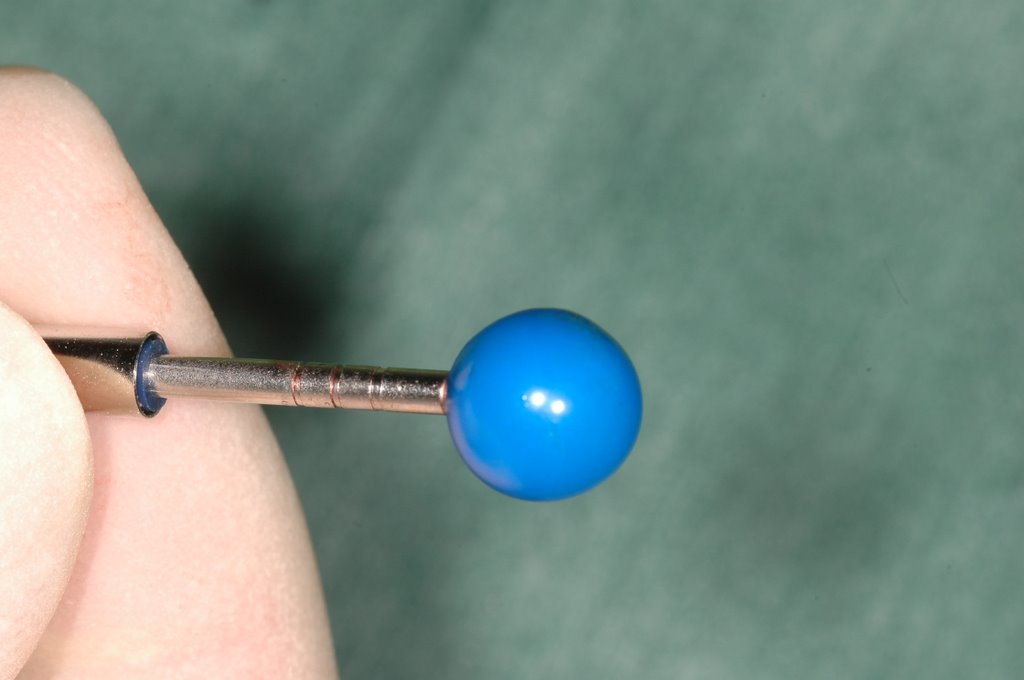
Balloon Subantral Membrane Elevator ( SME )
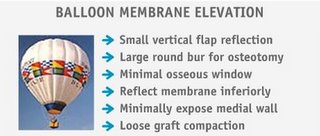
The advantages of Subantral Membrane Elevator, or SME:

  1. Decreases Surgical Time
  2. Reduces Risk of Membrane Tears
  3. Mini Balloon Inflates to 3.1mm (Micro Mini Inflates to 1.9mm)
  4. Can be used in small osteotomies
  5. Single Use, Supplied Sterile
  6. Supplied with 5cc Luer Lok® Syringe

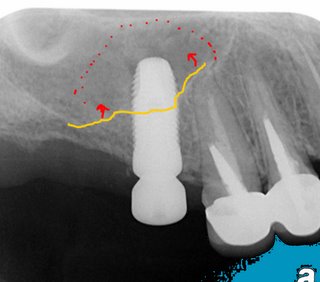
@ Clinical Appilcation for SME with balloon technique:(by Dr. Perio Apr06')


*** 7mm bone height under sinus membrane >> localized elvation to insert 4.8X12mm dental implant.

@Detail slideshow description of Balloon Subantral Membrane Elevator

...PostSx 1 wk


** 2nd surgery and final restoration: See next blog!

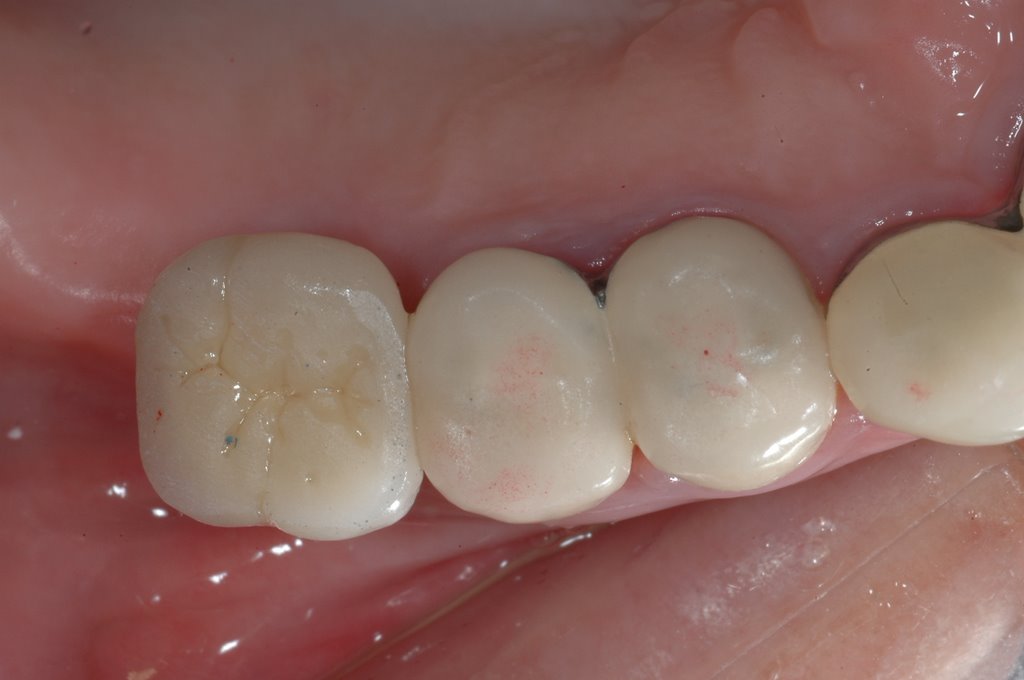
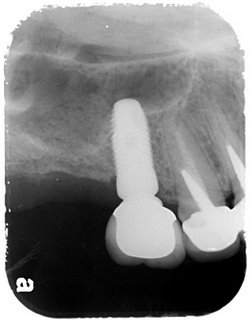
Final restoration after the Balloon technique

* 2nd Surgery and Final restoration (apical films)

2006-10-12

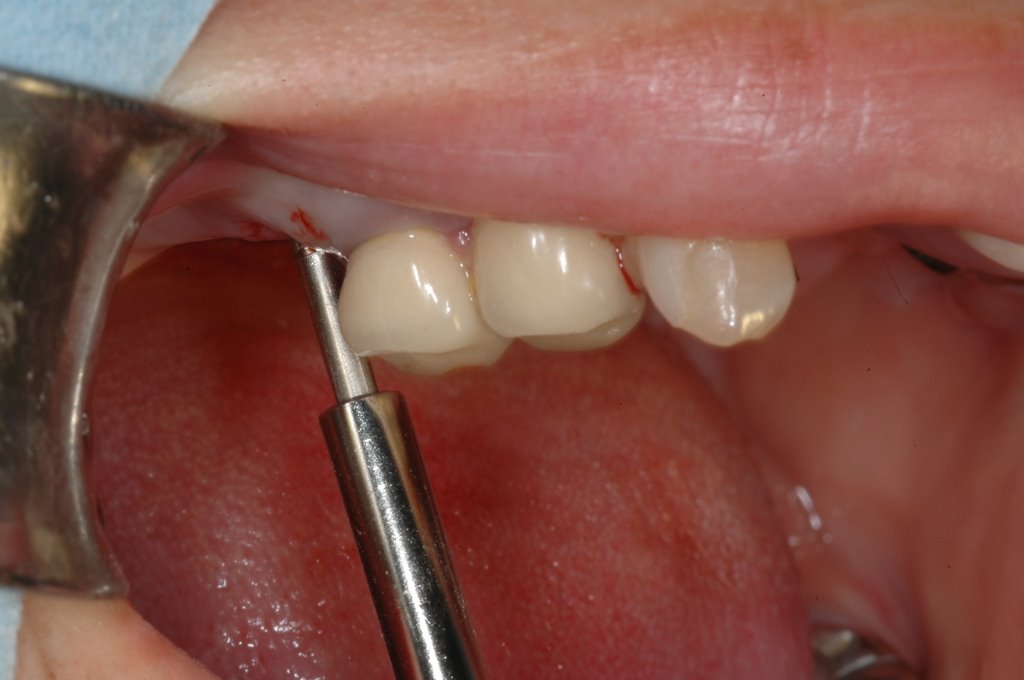
Simplified Mini-Incision (SMI) at Dental implant Surgery

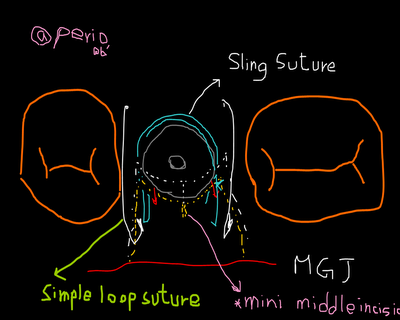
Simplified Mini-incision for Dental Implant Surgery:(Designed by Dr. Perio)
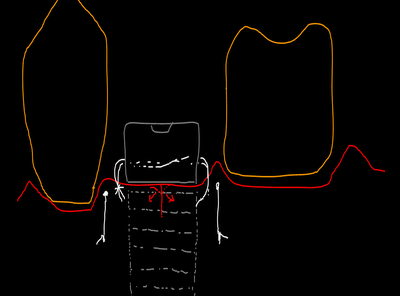
  1. Fit to Stage 1- and 2- surgery
  2. Incision & Suture: a/Slight semilunar crest incision; b/two short vertical incisions (stoped at mucoginigival junction); c/Mini- middle releaving incision; d/apically positioned flap; e/one sling suture to fix flap; f/two fixing simple loop sutures.
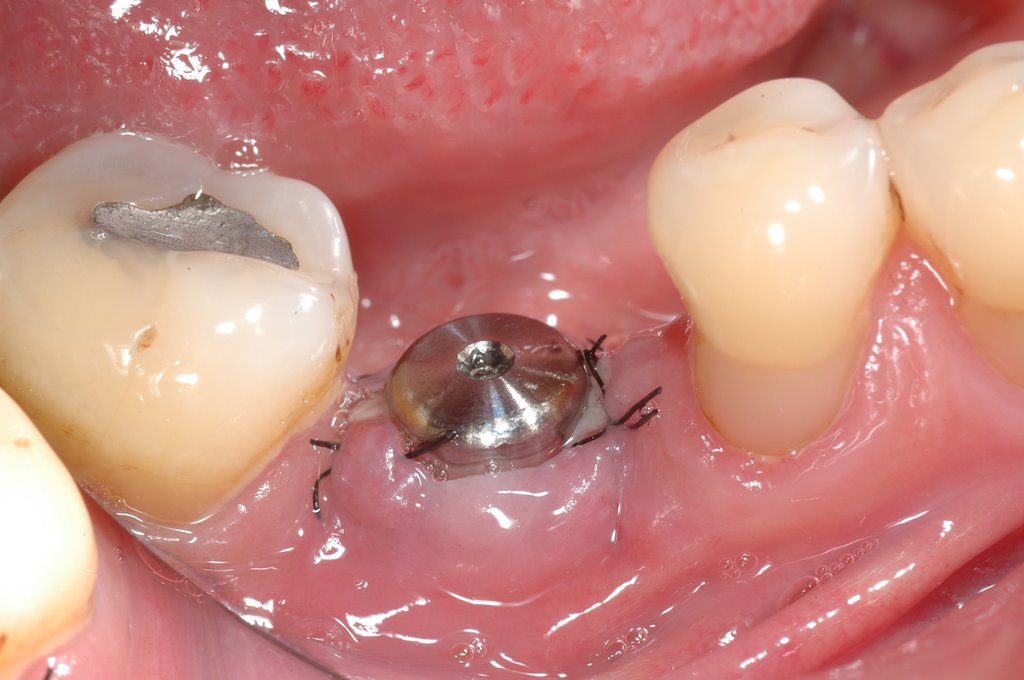
  3. Advantages for this thechnique: a/Simple procedure; b/faster tissue healing and c/ post-surgery more comfortable.

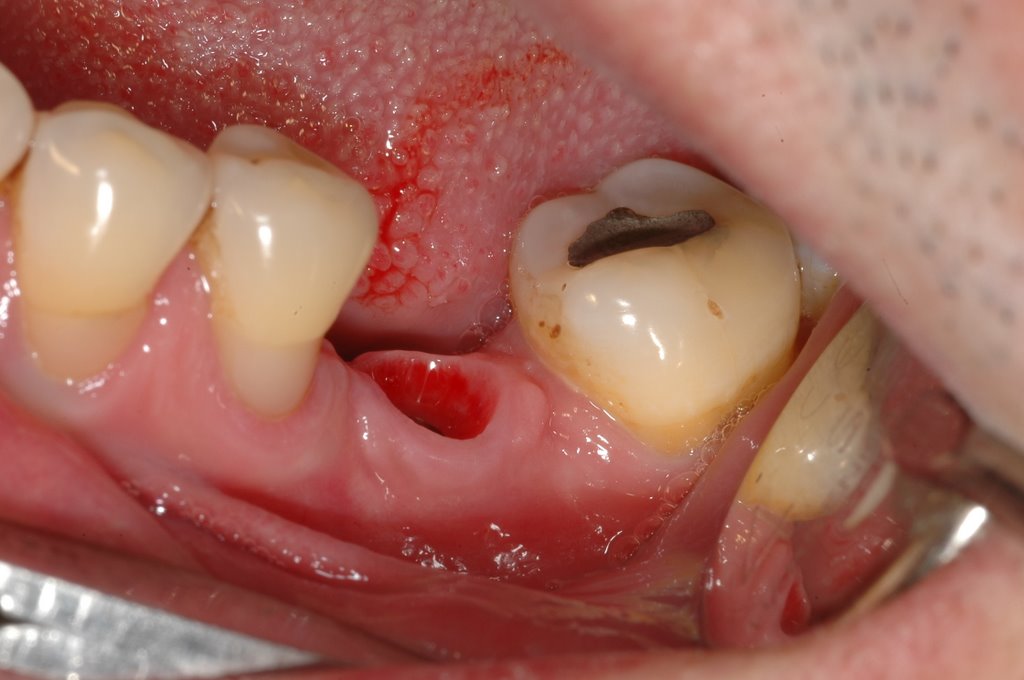
A case using SMI technique: (postSx 1wk)
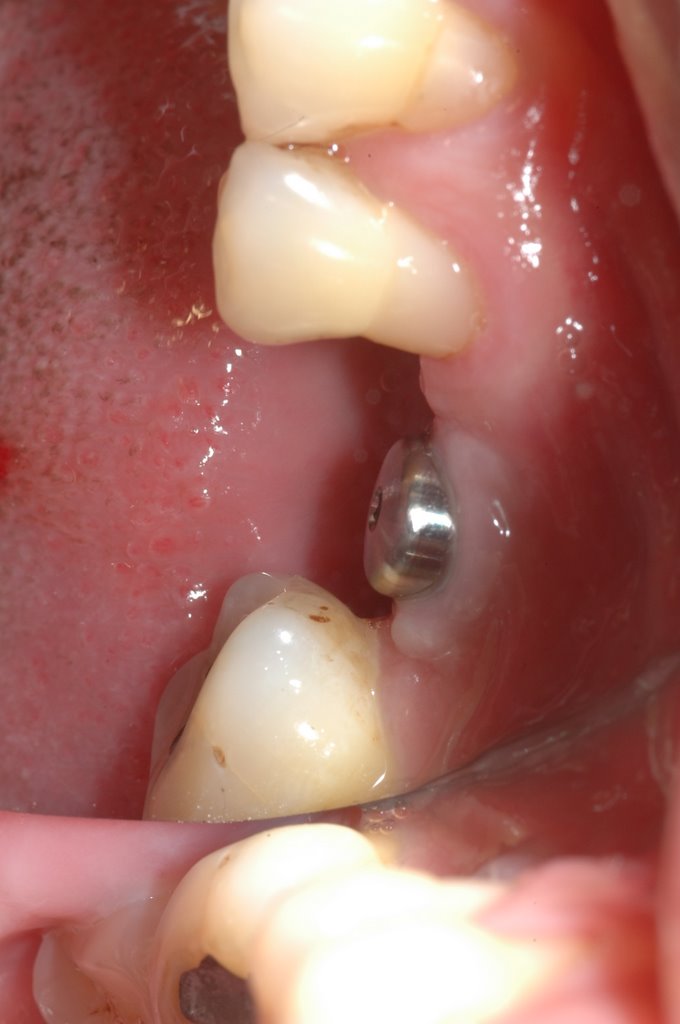
@ Final healing:
2006-06-30

Blog capacity is full ---Move to second part

** Notice !!!
Home move to Demtal Implant Professional !

See You .....

2006-06-01

Localized Management of Sinus Floor (LMSF)

Localized management of sinus floor (LMSF) achieves implant placement and sinus lifting simultaneously. LMSF is a further application of the principles of the edentulous ridge expansion (ERE) technique. It comprises the dissection of a partial-thickness flap, the buccal expansion of the residual alveolar bone, and the fracture and elevation of the sinus floor with simultaneous implant placement. The selected patients, who showed no signs of sinus pathology, exhibited insufficient vertical alveolar bone dimensions for the placement of dental implants with the traditional technique. The minimal residual alveolar bone height was between 5 and 7 mm. Based on the criteria established by Albrektsson and his coworkers in 1986, the success rate of the 499 implants placed with the LMSF was 97.5%.(Code by Dr.Buschi et al;1998.Three hundred three patients were treated with 499 implants placed using the LMSF between April 1988 and December 1993)
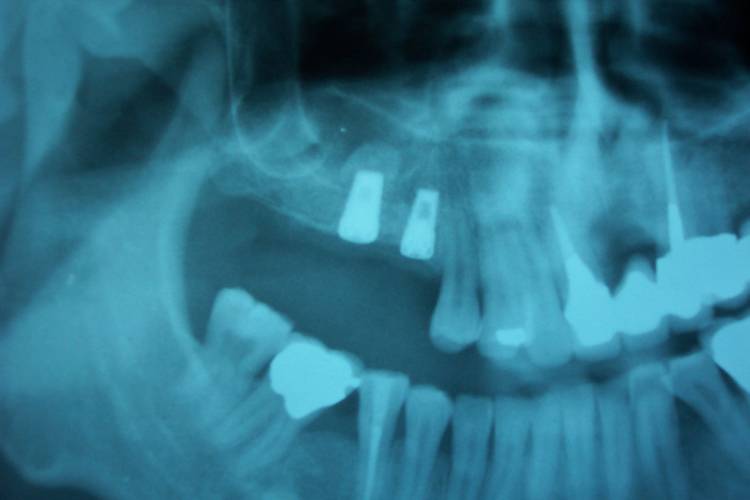
#Clinical Report by Dr. Perio:

@LMSF with Wide Implant + Bone Grafting: (Dec10,05)

PostSx 1wk>>><<PostSx 4 months---

@Final restoration (May30,06')-post implantation 6 months later
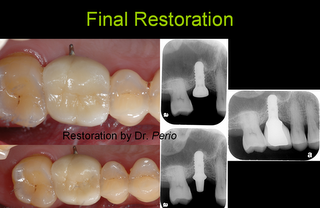
#15GBR + #16LMSF (Dec05')


@Post Sx 5 months (May06')

2006-05-30

Dental Implant Fracture: a complication of treatment with dental implants

Dental implants are a functional and esthetic solution to partial and total edentulism. The initial success rate of this treatment modality is 90-95%. But, that treatment modality is not free of complications. One of the rare complications yet, with severe clinical results is fracture of dental implants. The current literature review (Biomaterials. 2002 Jun;23(12):2459-65)presents the various causative factors that may lead to implant fracture. Implant failures may be sorted into groups by the timing of their appearance, or by the origin of failure. Fractures belong to the group of late complications, caused by a biomechanical overload. Overload may be caused by inappropriate seat of the superstructure, in-line arrangement of the implants, leverage, heavy occlusal forces (bruxing, clenching), location of the implant and the size of the implant or metal fatigue. Good clinical examinations and correct treatment plans may reduce the risk of implant fracture.
*A Case Report for Fractured Implant Removal: >>Trephine to remove the fractured implant


*New larger implant with bone graft into the old implant site>>


>>>one & 2.5 months later>>>

@Final Restoration:( after 6 months later from reimplantation!)

Labels:

2006-05-27

Periodontal Treatment Options for Receding Gumlines

Erosion of the gums at the gumline is relatively common. It is seen as a result of chronic inflammation associated with chronic gum disease. I t is also fairly common in young adults with aggressive toothbrushing habits. Generally, teeth will develop gum recession when a root is prominent in the bone compared to other teeth. Patients who grind their teeth also stress the sockets in which the teeth reside. When this stress is delivered to sockets with thin bone, loss of bone and gum may occur. The resulting gum recession can lead to thermal sensitivity to the tooth and may be unsightly. Dentists are concerned about recession when the amount of gum tissue deteriorates. Research has shown that when the amount of attached gum tissue diminishes below one millimeter, these teeth are more vulnerable to developing further recession. When these teeth are treated with gum grafts, the recession will stabilize and help to prevent the further loss of tooth support.Soft Tissue Grafts are procedures that rebuild the protective gum tissue around the tooth or teeth.

The procedure usually follows the following protocol:
1) Local anesthetic is given.
2) The tissue below the receded gum is dissected away exposing underlying tissues.
3) Gum tissue is procured from the roof of the mouth. This is usually a 1-2mm paper-thin graft that can easily be positioned around the problem tooth. The roof of the mouth is essentially an eternal reservoir of gum tissue. The donor site will be slightly tender but usually heal quickly and return to normal after a few days.
4) The graft tissue is then sewed to place over the exposed underlying tissues. Sutures are enough to secure the graft and allow for proper healing. The graft will turn first white and then often red as the graft bonds to the surrounding tissue. Ultimately, grafts will range from normal colored to slightly.
New variations of grafting have emerged over the past several years. Tissue bank skin graft material is available for those patients who would prefer not to use the roof of the mouth as a donor site. These grafts tend to have more shrinkage but will provide more natural color matching to the surrounding gums. Root coverage is now a very predictable option for teeth with receding gum lines. Subepithelial Connective Tissue Grafts borrow internal tissue from the roof of the mouth. This tissue is positioned under a flap of gum in the area of recession. The combined nutrition from the gum under and over the graft keeps the graft alive over the previously exposed root surface. The result is both an increase in the amount of protective gum tissue as well as improved esthetics. These grafts also provide the best color match with the surrounding gums.

Case report: A lower anterior area generalized gingival recessions/fenestration with roots exposure during orthodontic treatment__The Subepithelial connective tissue graft to improve the thickness of overlying gingival tissue and roots coverage __Referred from other general practitioner for some malpractice during the orthodontic therapy

2006-05-19

Live surgery Case 3~5

Live surgery case3:
Very narrow ridge over right mandibular -
Open type Ti mesh + Autogenous bone graft (Harvesting from Safe scaper)


@Live surgery case4: Lt' Maxillary sinus lift + Intra-antral bone grafting + Dental implantation


@Live surgery case5: Failing implant removal + Ridge augmentation / Sinus augmentation under Ti mesh


*** The Use of Ramus Grafts for Ridge Augmentation- Clinical Article-(Dental Implantology Update: June 1998)
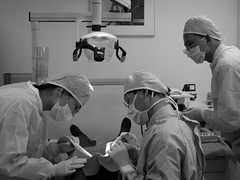
@ Photo with professor Isaksson and Dr. Becktor

@ Ramus onlay graft harvesting procedures: Video (Please don't publish in public): http://www.youtube.com/watch?v=Xk8rstO-tME

2006-05-18

A wonderful course in a lovly city

Clinical Training Course -
Advanced implant Surgery with Forcus on Minor Bone Grafting Procedures

May 18-19, 2006
Maxillofacial Unit, Halmstad Hospital, Halmstad, Sweden

Astra Tech AB

Participants:
Dr. Ramon Gomez Meda (Spain)
Dr. Alberto Trigas Damian (Spain)
Dr. Lennart Mollersten (Sweden)
Dr. Sven-Ake Nilsson (Sweden)
Dr. Stefan Ohlsson (Sweden)
Dr. Chi-Chou Huang (Taiwan)
Dr. Yin-Pin Wang (Taiwan)

Faculty:
Sten Isaksson DDS MD PhD (Head of the maxillofacial Unit Oral & Maxillofacial Surgeon)
Jonas Becktor DDS

Two Live Surgery on First Day
#case 1
#case 2

2006-05-15

Out town 1 week to attend advanced implant surgery course in Sweden

Advanced Implant Surgery with Focus on Minor Bone Grafting Procedures

On two different occasions: May 18–19 and September 14–15, 2006 Maxillofacial Unit, Halmstad Hospital, Halmstad, Sweden. For the clinician with experience in conventional implant surgery and an interest in advanced surgical techniques.Various pre-implant surgical techniques suitable for general dentistry will be discussed and performed. The course includes local bone grafting such as sinus lifting and onlay grafting as well as distraction osteogenesis and fixture installation in grafted bone. Lectures, patient demonstrations and live surgery with opportunities for the participants to assist will illustrate the different procedures.

Lecturers:Sten Isaksson, DDS, MD, PhD, Clinical Director,Maxillofacial Unit, Halmstad Hospital, Halmstad, Sweden

Jonas Becktor, DDS, Consultant, Maxillofacial Unit, Halmstad Hospital, Halmstad, Sweden


Course ContentLectures
• Indications and limitations for local bone graftingtechniques suitable for general dentistry
• Distraction Osteogenesis (DOG)
• Treatment planning and discussions of participants’ own cases
• Postoperative treatment– Follow-up– Complications
• Various bone grafting techniques suitablefor local and general anesthetics
• Research and studies on implants and bone graftLive Surgery*
• Titanium mesh and bone graft• Bilateral sinus inlay bone graft
• Onlay bone graft for single tooth implant• Implant surgery in grafted bone

Duration: 2 days
Participants: Min 7, max 8
Course fee: SEK 11,300 ex. VAT.
Included in the fee: Course material, diploma, coffee,lunches and one dinner.
Language: English

@Welcome to my Astra nordic tour Blog: http://astratour.blogspot.com/
@ Join a special group for Astra dental implant:
http://health.groups.yahoo.com/group/astraimplant/join


Click here to join astraimplant
Click to join astraimplant

2006-05-13

How to predict the percentage of root coverage ?

@ A case (#43) of severe gum recession and root exposure after orthodontic treatment:

  1. Severe root prominence
  2. Root outer the alveolar house
  3. Miller's classification : Class III
  4. Root exposure with wide and deep type

For severe gum recession + loss of some interproximal bone + wide and deep root exposure>>> 100% root coverage is not possible!

....70~80 % root coverage will be predictale goal.

....Cervical operative restoration may be needed to cover exposed root surface.

2006-05-12

A Dentist taking the implant surgery and restoration

A handsome dentist (famous at his hometown) suffering an anterial tooth missing and flipper discomfort!
He decided to have a fixed restoration after dental impant and bone augmentation.
For his thin and bone concavity over the implant site, the bone augmentation and dental implantation should be together.
When a healing abutment into the implant at 2nd surgery, the implant position was far palatally. Lab technician (顏氏技工所) helped him to correct implant position by custom made angle abutment from bone crestal level.
Final result is OK. and he restores his shining smile again !

@Detail procedures see the following pictures:


2006-05-08

Maxillary Sinus Septa

Journal of Periodontology
2006, Vol. 77, No. 5, Pages 903-908
(doi:10.1902/jop.2006.050247)

Maxillary Sinus Septa: Prevalence, Height, Location, and Morphology. A Reformatted Computed Tomography Scan Analysis

Min-Jung Kim


Background: The sinus lift technique may be difficult to perform if an aberrant sinus anatomy is encountered during surgical exposure, such as when a septum is present on the sinus floor. The objective of this study was to determine the prevalence, size, location, and morphology of maxillary sinus septa in the atrophic/edentulous and non-atrophic/dentate maxillary segments.
Methods: The sample population consisted of 100 patients (41 women and 59 men, with a mean age of 50 years, ranging between 19 and 87 years) for whom treatment was being planned for implant-supported restorations. Reformatted computerized tomograms (CT) from 200 sinuses were analyzed using imaging software.
Results: The prevalence of one or more septa per sinus was found to be 26.5% (53/200), 31.76% (27/85), and 22.61% (26/115) in the overall study population and the atrophic/edentulous and the non-atrophic/dentate maxillary segments, respectively. In the analysis of the anatomic location of the septa within the sinus, it was revealed that 15 (25.4%) were located in the anterior region, 30 (50.8%) in the middle region, and 14 (23.7%) in the posterior region. The measured heights of the septa varied among the different areas. The mean heights of the septa were 1.63 ± 2.44, 3.55 ± 2.58, and 5.46 ± 3.09 mm in the lateral, middle, and medial areas, respectively.
Conclusions: It can be inferred that there is a wide anatomical variation in the prevalence, size, location, and morphology of maxillary sinus septa, irrespective of the degree of atrophy. Therefore, to prevent the likelihood of complications arising during sinus augmentation procedures, a thorough and extensive understanding of the anatomic structures inherent to the maxillary sinus is indispensable.

2006-05-03

First Laser Gum Disease Procedure to gain FDA Clearance

First Laser Gum Disease Procedure to gain FDA Clearance - “Laser Assisted New Attachment Procedure or Laser-ANAP®”


The US Food and Drug Administration cleared Laser-ANAP? ("Laser Assisted New Attachment Procedure") with a unique and specific claim for, "cementum-mediated new periodontal ligament attachment to the root surface in the absence of long junctional epithelium."
FDA clearance for Laser-ANAP?using the PerioLase?MVP-7?variable pulsed Nd:YAG dental laser follows three years of research at Louisiana State University, School of Dentistry, New Orleans, by principal investigator, Professor Raymond A. Yukna, DMD, MS, and coordinator of post-graduate periodontics at LSU. Professor Yukna led a controlled, blinded, clinical and human histology study that evidenced new root surface coating (cementum) and new connective tissue (periodontal ligament) formation (collagen) on on tooth roots by stimulating existing stem cells to grow following the use of the PerioLase?MVP-7?& Laser-ANAP?protocol.
"These results are very positive, very consistent, and very encouraging related to the treatment of deep gum pockets," said Yukna. "Dentists have been looking for ways to regenerate some of the tissues lost to gum infections and Laser-ANAP?is an exciting and revolutionary treatment protocol showing microscopically that we can form a new root coating (cementum) and new connective tissue attachment (collagen). Our consistent results (all LANAP treated teeth showed a positive result) suggest that the best possible type of healing can be obtained using the specific Laser-ANAP?protocol. This presents a wonderful alternative to traditional surgery."

@ Laser-assisted new attachment procedure inprivate practice by David M. Harris, PhD
-Article in PDF

***AAP-Commissioned ReviewLasers in Periodontics: A Review of the Literature Charles M. Cobb*
Conclusions: Based on this review of the literature, there is a great need to develop an evidence-based approach to the use of lasers forthe treatment of chronic periodontitis. Simply put, there is insufficient evidence to suggest that any specific wavelength of laser is superior to the traditional modalities of therapy. Current evidence does suggest that use of the Nd:YAGor Er:YAG wavelengths for treatment of chronic periodont it is may be equivalent to scaling and root planing (SRP) withrespect to reduction in probing depth and subgingival bacterial populations.However, if gain in clinical attachment level is considered the gold standard for non-surgical periodontal therapy, then the evidence supporting laser-mediated periodontal treatment over traditional therapy is minimal at best. Lastly, there is limited evidence suggesting that lasers used in an adjunctive capacity to SRP may provide some additional benefit. J Periodontol 2006;77:545-564.

2006-04-29

Dental Implant Overload

Dental Implant Overload
@information from the atlantadentalimplants.com
Nobody likes to be overworked. Dental implant dentists say that a dental implant is overloaded when the dental implant has too much work to do. It is always best to have one dental implant replace one missing tooth. However, dental implant patients do not always want to pay for the best treatment available and dental implant dentists try hard to please their patients. Yes, a dental implant patient can get by with less than one dental implant per missing tooth, but this is not ideal and leads to overworking the dental implants harder than the original natural teeth! In the long run, the money saved may not be worth it. In matters of health, it is always best to choose the best road, not the cheapest.
Dental implants can also be overloaded by poorly designing the dental work on top of the dental implants or by poorly placing the dental implants. Both of these problems can often be avoided with excellent dental implant treatment planning before the dental implants are ever placed. Dental implants should ideally be placed so that a dental implant patient's biting forces are directed straight downward onto the dental implant. This can not always be achieved especially when a dental implant patient has lost a great deal of bone.

@Evaluation of load transfer characteristics of five different implants in compactbone at different load levels by finite element analysis. (PDF!)

@ A case with another implant rescure and bone augmentatrion after dental implant overloading. (Surgery by Dr. Perio)

2006-04-28

Paroxysmal positional vertigo as a complication of osteotome sinus floor elevation

Eur Arch Otorhinolaryngol. 2005 Aug;262(8):631-3. Epub 2005 Feb 27.

Paroxysmal positional vertigo as a complication of osteotome sinus floor elevation.
Di Girolamo M, Napolitano B, Arullani CA, Bruno E, Di Girolamo S.
School of Dentistry, University of Rome Tor Vergata, Rome, Italy.

Paroxysmal positional vertigo (PPV) is a high prevalence, vestibular end organ disorder due to the detachment of the utricular otoconia floating in the posterior or lateral semicircular canal. Even though in the majority of cases the etiology of PPV is unknown, it may follow viral infection, vascular disorders and head trauma after different surgical procedures. The aim of this study was to investigate the correlation between PPV and the surgical trauma induced by the vibratory and percussive forces on the upper maxilla during the osteotome sinus floor elevation procedure. We performed a complete otoneurological examination on 146 patients affected by atrophic ridges before and after upper maxilla surgery. Four patients showed a PPV of the posterior semicircular canal controlateral to the implanted side 1 or 2 days after the surgical procedure, which promptly was solved with the Epley re-positioning maneuver. We hypothesize that the surgical trauma, and specifically the pressure exerted by the osteotomes, determines the detachment of the otoliths from the utricular macula while the patient head position, hyper-extended and tilted opposite to the side where the surgeon is working, favors the entry of these free-floating particles in the posterior semicircular canal of the implanted side. Although this disease is rather frequent in the normal population and it is a benign, self-limiting peripheral disorder, it should be considered by the oral surgeon as a possible complication of pre-prosthetic upper maxilla surgery, and the patient should be informed before undergoing surgery.

@ Clinical suggestions for preventing BPPV: (Dr. Perio had the BPPV after ridge expansion with Osteotome technique twice!) @ Dignosis and Therapy for BPPV: Epley maneuver
***Supplemental material on the site CD: Animation of Epley Maneuver.
Note that this maneuver is done faster in the animation than in the clinic. Usually one allows 30 seconds between positions

2006-04-26

Multiple dental fractures following tongue barbell placement

** a picture download from frickr
Multiple dental fractures following tongue barbell placement: a case report

The number of adolescents and young adults undergoing intra-oral piercing, is increasing worldwide. There have been several case reports documenting oral and systemic complications of this practice. These include damage to the dentition, gingivae, infection, speech impediments and nerve damage. The case presented here draws attention to the possibility of multiple tooth fracture as a result of trauma incurred from a barbell inserted into the tongue.

## Worldwide warning for Tongue Piercing:
@A complication of tongue piercing. A case reportand review of the literature (PDF)
@Investigating tongue piercing (BDJ)
@Tongue piercing: Case report and review of currentp r a c t i c e (ADA in Australia)
@Tongue Piercing andAssociated ToothFracture (cda-adc.CA)
@Oral piercing and oral trauma in a New Zealand sample

2006-04-25

Stimutainous dental implantation with other techniques

  • Presurgery - Long-term apical lesion with persistant sinus teact

  • Atrumatic extraction and socket curettage
  • Immediate dental implantation
  • GBR for periimplant bony defect with BioOss bone graft + Ti mesh + Teruplug
  • Immediate provionalization

  • Post Sx 2 wks

2006-04-23

台灣牙醫植體醫學會暨南台灣口腔植體醫學會2006年年會

台灣牙醫植體醫學會暨南台灣口腔植體醫學會2006年年會

將於高雄金典酒店舉辦
時間:2006 4/22~23(六,日),
地點:高雄金典酒店 41樓
主辦:台灣牙醫植體醫學會
承辦:南台灣口腔植體醫學會
協辦:中華民國口腔植體醫學會
   台北市牙科植體醫學會
@ Dr. Perio present a post at academy meeting (Apr22~23,06)

2006-04-21

"Sandwich" bone augmentation technique

Int J Periodontics Restorative Dent. 2004 Jun;24(3):232-45.

"Sandwich" bone augmentation technique: rationale and report of pilot cases.
Wang HL, Misch C, Neiva RF.

The aim of this article is to present a new technique for augmentation of deficient alveolar ridges and/or correction of osseous defects around dental implants. Current knowledge regarding bone augmentation for treatment of osseous defects prior to and in combination with dental implant placement is critically appraised. The "sandwich" bone augmentation technique is demonstrated step by step. Five pilot cases with implant dehiscence defects averaging 10.5 mm were treated with the technique. At 6 months, the sites were uncovered, and complete defect fill was noted in all cases. Results from this pilot case study indicated that the sandwich bone augmentation technique appears to enhance the outcomes of bone augmentation by using the positive properties of each applied material (autograft, DFDBA, hydroxyapatite, and collagen membrane). Future clinical trials for comparison of this approach with other bone augmentation techniques and histologic evaluation of the outcomes are needed to validate these findings.

Mucogingival pouch flap for sandwich bone augmentation: technique and rationale.

Implant Dent. 2005 Dec;14(4):349-54
Park SH, Wang HL

This article introduces a novel flap design, mucogingival pouch flap (MPF), to enhance the clinical outcome of sandwich bone augmentation. MPF uses a pouch flap reflection via mucogingival junction extension incisions to provide an improved graft retention, minimized membrane exposure, preserved papilla dimension, and soft tissue camouflage for improved esthetics.There are 4 implant-associated buccal dehiscence defects in 3 patients treated with sandwich bone augmentation technique in conjunction with MPF. All cases yielded an adequate new bone thickness of 1.5-3.5 mm as well as a height of 84% to 100% at 6 months. Rationales, indications, contraindications, advantages, and disadvantages for MPF designs are further discussed.

2006-04-20

Immediate provisionalization after dental implantation

@ Single tooth immediate provisional restoration of dental implants: technique and early results.
J Oral Maxillofac Surg. 2004 Sep;62(9):1131-8
Block M, Finger I, Castellon P, Lirettle D

PURPOSE: Patients desire efficient restoration of missing teeth. Immediate provisionalization of implants at the time of placement can provide the patient with a tooth-like restoration. Our hypothesis is that preoperative fabrication of the implant abutment and provisional restoration can provide successful immediate provisionalization of implants, if specific diagnostic criteria are used for patient selection.
PATIENTS AND METHODS: This hypothesis is evaluated by prospectively following 74 implants thus treated for 6 months to 2 years. A technique is presented to illustrate a simple and reliable method to provisionally restore a single tooth restoration. The method involves preoperative placement of an implant analog into a model, preparation of the abutment on the model, and fabrication of a provisional crown out of occlusion. At the time of surgery, the implant is placed according to the prescription of the restorative dentist, the surgeon places the abutment and provisional crown, and the final restoration is fabricated after the implant integrates.
RESULTS: Seventy of 74 (94.6%) restorations have been successful with up to 2-year follow-up, which is similar to single tooth implants treated using a 2-stage protocol.
CONCLUSIONS: Single tooth immediate provisionalization implants are effective techniques when specific diagnostic criteria are used.

@Single-tooth replacement in the aesthetic zone with immediate provisionalization: fourteen consecutive case reports.

2006-04-19

Immediate dental implantation + Bio-Col socket augmentation

Immediate Implantation in Fresh Extraction Sockets. A Controlled Clinical and Histological Study in Man

Dr. Michele Paolantonio et al.
Journal of Periodontology
2001, Vol. 72, No. 11, Pages 1560-1571

Background: Early implantation may preserve the alveolar anatomy, and the placement of a fixture in a fresh extraction socket helps to maintain the bony crest. Although a number of clinical studies exist, no histological reports show the outcome of implantation in fresh extraction sockets without the use of membranes in humans compared to implants placed in mature bone.

Methods: Forty-eight healthy patients, receiving at least 4 fixtures in each of 2 symmetrical quadrants, underwent placement of 1 experimental fixture placed in a fresh extraction socket (TI) and 1 contralateral fixture in mature bone (CI). TI were placed after atraumatical tooth extraction, with a surgical site at the apex of the socket and a tight contact between the fixture and the socket's walls, but without the use of filling materials or membranes. The flap was coronally repositioned to obtain primary wound closure. Immediately after surgical intervention, a standardized periapical radiograph was taken. Second-stage surgery was done after 6 months. Six months after the second surgery, a second standardized periapical radiograph was taken and clinical parameters (bleeding and plaque index) recorded. Marginal bone loss (MBL) from the time of implant placement to the time of fixture removal was calculated by comparing periapical radiographs. TI and CI were then removed by a hollow drill to obtain histological specimens. Non-demineralized sections were stained by acid fuchsin and toluidine blue, and by von Kossa to evaluate the degree of bone mineralization. The percentage of direct implant-bone contact (DBC) was calculated by a computerized microscopic digitizer.

Results: No significant differences in the clinical and radiographic parameters were observed between the 2 experimental categories. There was no statistically significant difference between TI and CI for DBC either in the maxilla or in the mandible. No connective or fibrous tissues were present around TI or CI. Bone resorption was not present in any of the histological sections.

Conclusions: The present study shows that when a screw-type dental implant is placed without the use of barrier membranes or other regenerative materials into a fresh extraction socket with a bone-to-implant gap of 2 mm or less, the clinical outcome and degree of osteointegration does not differ from implants placed in healed, mature bone. J Periodontol 2001;72:1560-1571

@ Clinical procedure for Immediate dental implantation after premolar tooth extraction + Socket augmentation with BioOss bone graft /Collage plug Bio-Col technique

Have the " biological width " around the dental implants?

*An osseointegrated implant restoration may closely resemble a natural tooth.However, the absence of a periodontal ligament and connective tissue attachment via cementum, results in fundamental differences in the adaptation of the implant to occlusal forces, and the structure of the gingival cuff. @ The Outlines from Keynote speech by Dr. Berglundh on EAO05'
Topic:

What determines the biological width at implants?
Integrated esthetics – a biological and biomechanical approach

• Definition of “Biological width”
• Clinical soft tissue dimensions
• True soft tissue dimensions
• Soft tissue integration to different materials

Dimensions and relations of the dentoginigval junction in humans (1)
Sample:
Human autopsy specimens (Orban's and Kronfei's collections) exhibiting varying degree of periodontal tissue breakdown
Examination:
Histometric assessment of
Epithelial attachment
Connective tissue attachment

Dimensions and relations of the dentoginigval junction in humans (2)
Normal
Moderate breakdown
Advanced breakdown

Dimensions and relations of the dentoginigval junction in humans (3)
Results;
Epithelial attachment varied:
1.4 mm (normal)
0.8 mm (moderate breakdown)
0.7 mm (advanced breakdown)
CT attachment was stable:
1.1 mm
And did not vary with degree of bone loss

Dimensions and relations of the dentoginigval junction in humans (4)
Conclusion:
The biological width of soft tissue attachment is about 2.5 mm and includes 1.5 mm epithelium and 1 mm connective tissue.

Clinical soft tissue dimensions

Implant supported single tooth replacements compared to contra-lateral natural teeth.
Probing >>Chang et al 1999
Dimensions of peri-implant mucosa at evaluation of maxillary anterior single implant in man.
Bone sounding>>Kan 2003

The height of the mucosa at single implants and teeth
Implant Teeth
facial aspect
Probing: 3 mm 2 mm
Sounding: 4 mm 3 mm
proximal aspects
Probing: 4 mm 3 mm
Sounding: 5-6 mm 4 mm

The biological width: 2.5 mm (Gargiulo et al 1961)
PPD under estimates
Sounding over estimates
“Biological width” is not synonymous with Probing Pocket Depth or with Sounding

True soft tissue dimensions

The soft tissue barrier at implant and teeth (Berglundh et al 1991)

PM/GM~aJE= 2.14 / 2.05 mm
aJE~B= 1.66 / 1.12 mm
The mucosal at implants is comprised of a 2 mm long barrier epithelium and a 1-1.5 mm zone of “connective tissue integration”.
The “connective tissue integration” zone is characterized by absence of blood vessels and a large number of fibroblasts interposed between thin collagen fibers.

Dimensions of the periimplant mucosa (B & L 1996)
3 beagles dogs
3 months:
Flap adaptation and suturing
Test OE=2 mm
Control OE=4 mm
6 months:
Test
PM~aJE 2.0
aJE~B 1.3
Control
PM~aJE 2.1
aJE~B 1.8
A minimum width of the periimplant mucosa is required and bone resorption may take place to allow a proper mucosal attachment to form.

Morphogenesis of the mucosal attachment at implants (Berglundh et al 2006)
The soft tissue dimension – the biological width – at implant was established after 6 wks following Sx

How to preserve the marginal bone and avoid soft tissue recession ?
Respect the biological wwidth

Soft tissue integration to different abutment materials (Wennstom 2006)
Abutment shift (1 month after implant surgery)
Control abutment: Ti (c.p. Ti)
Test abutment: Direct (c.p. Ti)
Conclusions
The soft tissue dimensions were similar at implant abutment made of c.p. Titantium, ZrO2, based Ceramic and Au/Pt alloy
The connective tissue interface at Au/Pt alloy abutment contained lower amount of collagen and larger portions of leukocytes than that at abutment made of Ti and ZrO2

@ A review article of "teeth and implant" on BJD
@The effect of subcrestal placement of the polished surface of implants on marginal soft and hard tissues-a retrospective clinical study
*** On Line Internet Course: Biological Width by Dr. S. Robert Davidoff
@ Abstracts of Biological Width for Dental Implants
$$$ The biological aspects of the soft tissue – Titanium implant interface (PDF)

2006-04-17

Retrograde peri-implantitis treatment

The term retrograde peri-implantitis has just recently been introduced through several case reports. It is defined as a clinically symptomatic peri-apical lesion (diagnosed as a radiolucency) that develops shortly after implant insertion while the coronal portion of the implant achieves a normal bone to implant interface (for a review, see Quirynen et al. 2003). A retrograde peri-implantitis is often accompanied by symptoms of pain, tenderness, swelling, and/or the presence of a fistulous tract . It should be distinguished from a clinically asymptomatic, peri-apical radiolucency, which is usually caused by placing implants that are shorter than the drilled cavity or by a heat-induced aseptic bone necrosis. Retrograde peri-implantitis can result from bacterial contamination during insertion, premature loading leading to bone micro-fractures, or the presence of a pre-existing inflammation (bacteria, inflammatory cells, and/or remaining cells from a cyst, granuloma). A peri-apical lesion from a nearby devitalized tooth, on the other hand, can encroach upon the implant and contaminate it (e.g. reactivation of a dormant peri-apical lesion or removal of the peri-apical endodontic seal). The treatment of periapical peri-implantitis is still empiric. The longitudinal study, together with the outcome in some case reports, seem to indicate that the removal of all granulation tissue is sufficient to arrest the progression of the bone destruction. The removal of the apical part of the implant does not seem mandatory.


Clinically stable after 9.5 years!>>

2006-04-14

Can Dental Implants Connect with Natural Teeth?

The literature in the peer-reviewed journals seems divided on the question of connecting dental implants to natural teeth in fixed partial dentures. The problem encountered is the submersion of natural teeth producing a gap between the fixed partial denture crown margin and the prepared tooth. Some literature supports the position that dental implants and natural teeth should not be connected. Some literature supports the position that dental implants and natural teeth can be connected with rigid attachments (solid metal framework, solder joint) but not with non-rigid attachments (precision attachments).
>>>Rigid attachment with T-block>>

@Osseonews discussion for implant to natural tooth connecting

Implant to Natural Tooth Splinting
Doctors who use this philosophy will sometimes connect an implant to a natural tooth. The advantage of this is that by connecting implants to natural teeth, fewer implants are needed to complete the case. This can dramatically reduce the cost of treatment while allowing the patient to have permanent teeth. The disadvantage of this type of treatment is that should a problem arise with either the implant or natural tooth the problem has to be handled differently because the implants and natural teeth are connected. Furthermore, there are limited data regarding the effects of splinting implants to natural teeth. In this regard, it has been reported that intrusion of splinted teeth and pronounced vertical bone loss around implant abutments are potential sequelae;however, the majority of patients, , in one study suffered no adverse effects. Other reports have indicated that connecting implants to teeth in a fixed prosthesis has a good prognosis. A 5-year prospective study designed to compare bridges supported only by implants with bridges supported by both implants and natural teeth within the same patient, noted no higher risk of implant or prosthetic failure for tooth-implant fixed bridges as comparedwith implant-supported bridges.

@Post Implant-Tooth connection 6 years >>>>>

OsseoNews discussion about Implant - Tooth connection


>>> Somebody did the case with implant connecting natural tooth, let the canine intrusion.<<<

>>>Orthodontic extrusion/Crown lengthening procesure of #33 + Additional implant of #34>>>

Dental implants placement in conjunction with osteotome sinus floor elevation


Dental implants placement in conjunction with osteotome sinus floor elevation: a 12-year life-table analysis from a prospective study on 588 ITI®implants

Authors: Ferrigno, Nicola1; Laureti, Mauro1; Fanali, Stefano1
Source: Clinical Oral Implants Research, Volume 17, Number 2, April 2006, pp. 194-205(12)
Publisher:Blackwell Publishing

The purpose of this prospective study was to evaluate the clinical success of placing ITI dental implants in the posterior maxilla using the osteotome technique. Material and methods:
All implants were placed following a one-stage protocol (elevating the sinus floor and placing the implant at the same time). Five hundred and eighty-eight implants were placed in 323 consecutive patients with a residual vertical height of bone under the sinus ranging from 6 to 9 mm. The mean observation follow-up period was 59.7 months (with a range of 12–144 months). This prospective study not only calculated the 12-year cumulative survival and success rates for 588 implants by life-table analysis but also the cumulative success rates for implant subgroups divided per implant length and the percentage of sinus membrane perforation were evaluated. Results:
The 12-year cumulative survival and success rates were 94.8% and 90.8%, respectively. The analysis of implant subgroups showed slightly more favourable cumulative success rates for 12 mm long implants (93.4%) compared with 10 and 8 mm long implants (90.5% and 88.9%, respectively). During the study period, only 13 perforations of the Schneiderian membrane were detected with a perforation rate of 2.2% (13 perforations/601 treated sites). Ten perforations out of 13 were caused during the first half of the study period and of these, seven were detected during the first 3 years of this prospective study.
Conclusion:
Based on the results and within the limits of the present study, it can be concluded that ITI implant placement in conjunction with osteotome sinus floor elevation represents a safe modality of treating the posterior maxilla in areas with reduced bone height subjacent to the sinus as survival and success rates were maintained above 90% for a mean observation period of ≈60 months. Shorter implants (8mm implants) did not significantly fail more than longer ones (10 and 12 mm implants): the differences were small compared with the number of events; hence, no statistical conclusion could be drawn. But, from the clinical point of view, the predictable use of short implants in conjunction with osteotome sinus floor elevation may reduce the indication for complex invasive procedures like sinus lift and bone grafting procedures .

2006-04-04

A tooth can tell a long story

1. GTR after endodontic failure with DFDBA + Gore-Tex nonresorbable membrane
2. Root fracture after crown insertion (7 years)

3. Immediate dental implantation after root extraction


4. Final restoration

2006-04-01

How to prevent the nerve impinge during dental implantation?

@Download from the Doe report
The inferior dental nerve is at risk of damage during removal of lower third molars, during apicectomy of lower premolar and molar teeth, the placement of intraoral implants and soft tissue surgery around the mental foramen, especially in the elderly where the mental nerve may lie at or close to the alveolar crest.
Intraoral implants, particularly mandibular endosseous implants are emerging as yet another cause of litigation resulting from iatrogenic nerve damage. Preoperative planning and imaging together with the careless siting of endosseous implants may damage the inferior alveolar nerve either within the mandibular canal or after its exit from the mental foramen. The prevalence of altered inferior alveolar nerve sensation following the placement of mandibular endosseous implants has been reported to be as high as 36% of which 23% of cases were transient and 13% of cases were persistent at 6 months or more post implant placement. Although uncommon, transient lingual nerve paraesthesia has also been reported where mandibular endosseous implants have perforated the lingual cortical plate. Inferior alveolar nerve repositioning to facilitate the placement of endosseous implants posterior to the mental foramen is associated with a very high incidence of temporary inferior alveolar nerve damage. In one series inferior alveolar neurosensory dysfunction was present in 70% of patients at 1 week before falling to 20% at 6months and 0% at 1 year postoperatively. However, the technique enables the placement of more and longer implants resulting in increased prosthesis strength and stability and has a lower permanent dysaesthesia rate than when a non-transposed nerve has been accidentally damaged by drilling or implant placement. If such a technique is to be used it is vital that the patient is fully informed about the possibilityof temporary and permanent inferior alveolar nerve paraesthesia.

#1. The surgeon should always be cognizant of the location of the mental foramen. The mental foramen lies on the same vertical line defined by the pupil, infraorbital foramen and the second bicuspid tooth.

@Morphometric Analysis of Implant-Related Anatomy in Caucasian Skulls
Journal of Periodontology
2004, Vol. 75, No. 8, Pages 1061-1067

Rodrigo F. Neiva et al.

The most common location of the MF (mental foramen) in relation to teeth was found to be below the apices of mandibular premolars. The mean MF-H was 3.47 ± 0.71 mm and the mean MF-W was 3.59 ± 0.8 mm. The mean distance from the MF to other anatomical landmarks were: MF-CEJ = 15.52 ± 2.37 mm, MF to the most apical portion of the lower cortex of the mandible = 12.0 ± 1.67 mm, MF to the midline = 27.61 ± 2.29 mm, and MF-MF = 55.23 ± 5.34 mm.

^^^88% cases .. anterior loop of mental bundle >4.13mm

#2. @Evaluation of the tracings for implants in panoramic radiographs before dental implaantation

***A Website special for Oral Nerve Injury

http://www.sciential.net/cgi-bin/dcforum/dcboard.cgi?az=post&forum=DCForumID9&om=113&omm=0

Listen!!! @A completely terrified statement of inferior alveolar nerve injury following a dental implant from a patient

@Commends from OsseoNews for a case about special pain after dental implant impinged the nerve

2006-03-31

Localized ridge augmentation using titanium mesh

A configured titanium mesh (CTM) is served as a mechanical and biologic device for restoring a vertically defected/resorbed alveolar ridge.


Vertical ridge augmentation using xenogenic material supported by a configured titanium mesh: clinicohistopathologic and histochemical study
Artzi Z, Dayan D, Alpern Y, Nemcovsky CE.
Int J Oral Maxillofac Implants, Vol. 18, No.3, pp:440-446,2003.

MATERIALS AND METHODS: The study comprised 10 severely resorbed sites in 10 patients. Pre- and post-operative ridge measurements were taken with reference to the neighboring teeth and supporting screw head base of the CTM. Bio-Oss® served as the augmentation filler material. The metal mesh was removed after 9 months. Subsequently, root-form, screw-type implants were placed. During the implant placement phase, cylindric bone samples were retrieved from the augmented area for histopathologic and histochemical examination.
RESULTS: Upon soft tissue reflection and before augmentation, defect height, as recorded by a periodontal probe along the main threads exposed on the support screw, was between 5 and 8 mm (average 6.4 mm; SD +/- 1.17). At 9 months after augmentation, during the implant placement phase, the defect height was between 0 and 2 mm (average 1.2 mm; SD +/- 0.63). Differences were statistically significant (P < .001). Bone height gain was between 4 and 6 mm (average 5.2 mm, SD +/- 0.79), which gave an average bone fill of 81.2% (SD +/- 7.98). Polarizing microscopic examination of sections stained with Picrosirius red showed a gradual increase in new lamellar bone from coronal to apical cuts, reaching the highest area percentage in the deep apical zone. DISCUSSION: At 9 months postaugmentation using the CTM surgical technique, the quality and quantity of the newly established hard tissue appeared to be different in the coronal versus apical areas of the restored alveolar ridge.
CONCLUSION: Although at 9 months postoperatively, the augmented alveolar ridge had different bone content, clinicohistochemical results demonstrated that this surgical technique could be a successful.

A Titanium Mesh is stabilized by screwing it onto one of the implants. Bone graft material is deposited under the Mesh and around the implants. The Mesh is then formed into the desired ridge shape and the gum tissue pulled over the entire site and sutured together. The Mesh will protect the graft from chewing forces while still allowing blood flow through the opening areas. Because the graft site will remain below the gum tissue during the initial growth period, it will also be protected from bacteria. The Mesh will remain under the gum tissue TEMPORARILY for approximately six weeks to a six months period while bone grows into the space under the Mesh.

Free Article>>>Three-Dimensional Bone Reconstruction in thePosterior Mandible Using DFDBA in a BiologicCarrier Matrix and Titanium Mesh

@@Clinical Application by Dr Perio

@Titanium Membranes in Prevention of Alveolar Collapse After Tooth Extraction. Implant Dentistry. 15(1):53-61, 2006. Pinho et al.

Background and Purpose: The resorption of alveolar bone following tooth extraction results in a narrowing and shortening of the residual ridge, which leads to esthetic and restorative problems, and reduces the bone volume available for implant therapy. The aim of this study was to evaluate the prevention of alveolar collapse after tooth extraction, using titanium membrane (Frios Boneshield; DENTSPLY Friadent, Mannheim, Germany), associated (or not) with autologous bone graft.
Materials and Methods: A total of 10 nonsmoking healthy subjects, ranging from 35 to 60 years old, were selected for this study. Each patient had a minimum of 2 uni-radicular periodontally hopeless teeth, which were scheduled for extraction. After the procedure, 2 titanium pins were fixed on the vestibular bone surfaces that were used as references for the initial measures (depth, width, and height) of the socket. Of the sockets,1 was randomly chosen to be filled with autologous bone graft (test) removed from superior maxillary tuber, and the other one did not receive the graft (control). A titanium membrane was adapted and fixed, covering the sockets, which remained for at least 10 weeks. After a 6-month healing, the final measures were performed.
Results: There was exposure of the membrane in 5 of the 10 treated subjects. Average bone filling (+/-standard deviation) among the 10 subjects was 8.80 +/- 2.93 mm (range 4-13) in the control group and 8.40 +/- 3.35 mm (range 4-13) in the test group. Average bone loss in width in both group was 1.40 +/- 1.97 mm (range -4-1) in the control group and 1.40 +/- 0.98 mm (range -4-0) in the test group. There was no significant statistical difference between groups considering the evaluated standards.
Conclusion: The use of titanium membrane, alone or in association with autogenous bone, favored the prevention of alveolar ridge after tooth extraction. This membrane seems to be a possible and safe alternative to other nonresorbable membranes when the prevention of alveolar ridge resorption is the objective.

@ Question from Dr. Perio

Is it necessary to put a resorbable membrane over the Titanium mesh + bone grafting for GBR before dental implantation? Comments...

2006-03-30

Ridge spitting / expansion for dental implantation

Ridge spitting / expansion for dental implantation:
tooth#14 extraction + tooth#13 ridge splitting and immediate dental implantation (Surgery by Dr. Perio)


>>>post Sx 10 days

@An article about ERE:
Clinical application of maxillary endossenous implant with edentulous ridge expansion technique

Huang Y, Ou Y, Song G.
Guangdong Provincial Stomatological Hospital, Guangzhou 510280, China

OBJECTIVE: To evaluate the application and the effect of edentulous ridge expansion(ERE) technique in maxillary endossenous implant placement. METHODS: 49 patients with maxillary alveolar ridge atrophy received edentulous ridge expansion using condenser. In order to be similar to natural root, dental implants were selected and placed to tooth missed sites according to the requirements of aesthetics, function and dimension. RESULTS: 49 patients with atrophied alveolar ridge received 86 implants. The labio-lingual width augmented from 3.3 to 5.4 mm and the alveolar ridge height from 2 to 7 mm 6 months after operation. The implants osseintergrated tightly with alveolar bone and second-step prosthesis was performed 6 months after implant placement. CONCLUSION: The edentulous ridge expansion technique can meet the requirements of aesthetics and function and is applicable to endossenous implant placement in maxilla. The method is simple and valuable to clinical application

2006-03-24

Bio-Col Socket Preservation Technique

SOCKET GRAFT is indicated when the clinician wants to preserve the maximum amount of bone after tooth extraction. SOCKET GRAFT is designed to retain the alveolar ridge and speed bone fill into the socket. However, SOCKET GRAFT will not rebuild any part of the ridge lost prior to placement of SOCKET GRAFT. If the clinician knows prior to extraction that a significant amount of alveolar ridge is missing and more ridge is needed for implant placement or for esthetics then a ridge augmentation procedure is indicated with the use of hard bone graft material and the placement of a barrier to retain the graft.
Ridge Preservation for Optimum Aesthetics and Function. The primary goal of any ridge preservation technique should be to preserve both the hard and soft tissues, especially the interdental papillae, in such a way as to optimize aesthetics and function. The Bio-Col Socket Preservation Technique with an understanding of these goals and biological considerations, the "Bio-Col" socket preservation technique was developed. The surgical protocol ensures the preservation of both hard and soft tissues at the time of tooth extraction, and it virtually eliminates the bone resorption that would normally follow tooth removal.


1. Top View: Bleeding Extraction Socket with No Defect. Tooth is extracted atraumatically without flap reflection. Note intact bony walls of extraction socket and preservation of surrounding gingival anatomy.
2. Top View: Grafted Extraction Socket in Preparation for Conventional Prosthesis. Socket with intact bony walls is grafted up to alveolar crest with Bio-Oss® natural bone mineral. CollaPlug®* absorbable dressing is placed over the Bio-Oss® graft and sutured in place with a horizontal matress suture.
3. Buccal View in Transparency: Bio-Col Technique for Conventional Prosthesis. Socket with intact bony walls is grafted up to alveolar crest with Bio-Oss® graft material. CollaPlug® absorbable dressing is placed over the Bio-Oss® graft and maintained with suture. A removable or fixed provisional restoration with an ovate pontic extending 3 mm to 4 mm subgingivally is placed, compressing the CollaPlug® and supporting the surrounding soft tissue.
4. Top View: Bio-Col Technique With Immediate Implant Placement. Immediate implant placed into intact bony socket. Bio-Oss® bone mineral grafted between implant and bony socket walls. Implant fixture and Bio-Oss® graft covered with CollaPlug® absorbable collagen dressing. Horizontal mattress suture placed to maintain position of collagen wound dressing.
5. Buccal view in Transparency: Bio-Col Technique With Immediate Implant Placement. Procedure same as step 4 with the following addition: Tooth borne provisional restoration with a modified ovate pontic to avoid pressure over cover screw. Ovate pontic extends subgingivally to support surrounding soft tissues.
6. Top View: Compromised Extraction Socket With Buccal Wall Defect. After extraction, socket presents with a large buccal wall bone defect. Note the partial soft-tissue collapse into the defect area.
7. Top View: Grafted Compromised Extraction Socket in Preparation for Delayed Implant Placement or Conventional Prosthesis. After tooth removal, Bio-Gide® resorbable collagen membrane placed in prepared subperiosteal pocket, covering bony socket wall defect. Bio-Oss® bone mineral placed into the socket and defect area. Note that Bio-Oss® slightly expands the adjacent Bio-Gide® membrane and overlying soft tissues. CollaPlug® absorbable dressing is placed over the Bio-Oss® graft and maintained with suture.

8. Buccal View in Transparency: Grafted Compromised Socket in Preparation for Delayed Implant Placement or Conventional Prosthesis. Note Bio-Gide® membrane covering buccal wall socket defect. Procedure same as step 7 with the following addition: Provisional restoration with ovate pontic extending 3 mm to 4 mm subgingivally against CollaPlug® dressing, supporting surrounding soft tissues.

Clinical Case Report by Perio(Nov.05'):


Apical /clinical checkup 3 months later<<

@Flapless approach for dental implantation after Bio-col ridge augmentation: (Surgery by Dr. Perio )

#Apicl check-up after dental inplantation (Mar06')

>>> 3 months later !

@ Socket Augmentation: Rationale and Technique by Dr. Wang

@Free Article of Bio-Col ridge preservation technique


2006-03-22

Immediate dental implantation + Provisionalization

Immediate Load Implant Criteria

To do an immediate load implant, certain criteria have to be met. There has to be adequate bone, a large enough implant needs to be placed, and the implant once placed has to be able to resist at least 40 ncm of force.The temporary crown has to be adjusted so that no forces are placed on it during function. Meeting these criteria allows the bone to grow around the implant (osseointegration). After a period of nine weeks a permanent crown can placed.The following picture sequence demonstrates an ideal situation for an immediate load implant or what I call a Vanity Crown because the patient refused to go out in public with a missing tooth. A template was made of the tooth prior to removing the fractured root so as to facilitate fabrication of a temporary crown. An important factor in this procedure is to carefully remove the tooth without removing any bone in the process [Atrumatic extraction- detail see another blog a + b].

Clinical procedures: (78 y/o male pt' , AMI twice - Surgery/Restorative procedures by Dr. Perio)

  1. Preparation of Implant Socket
  2. Socket Drilling
  3. Precision Implant Placement
  4. Abutment insertion
  5. Temporary Crown
  6. X ray confirm

@For a complete step-by-step guide, download the Restorative Guide PDF.

Immediate Restoration Technique (Download from Zimmer Dental Co;.)
In a case with a failing tooth, perform an atraumatic extraction. Prepare surgical site according to the drilling sequence. Place the implant and select the appropriate abutment. Prepare extraorally and seat on implant with hex tool. Fabricate provisional prosthesis chairside and check occlusion to confirm no occlusal contacts are present. Cement in place using temporary cement. After the healing period, record full-arch impression and fabricate final restoration.
Immediate Provisional Restoration Presurgical (248k) Last updated: July 1, 2002

Immediate Provisional Restoration (328k) Last updated: July 1, 2002